Lower Cost Coastal Accommodations
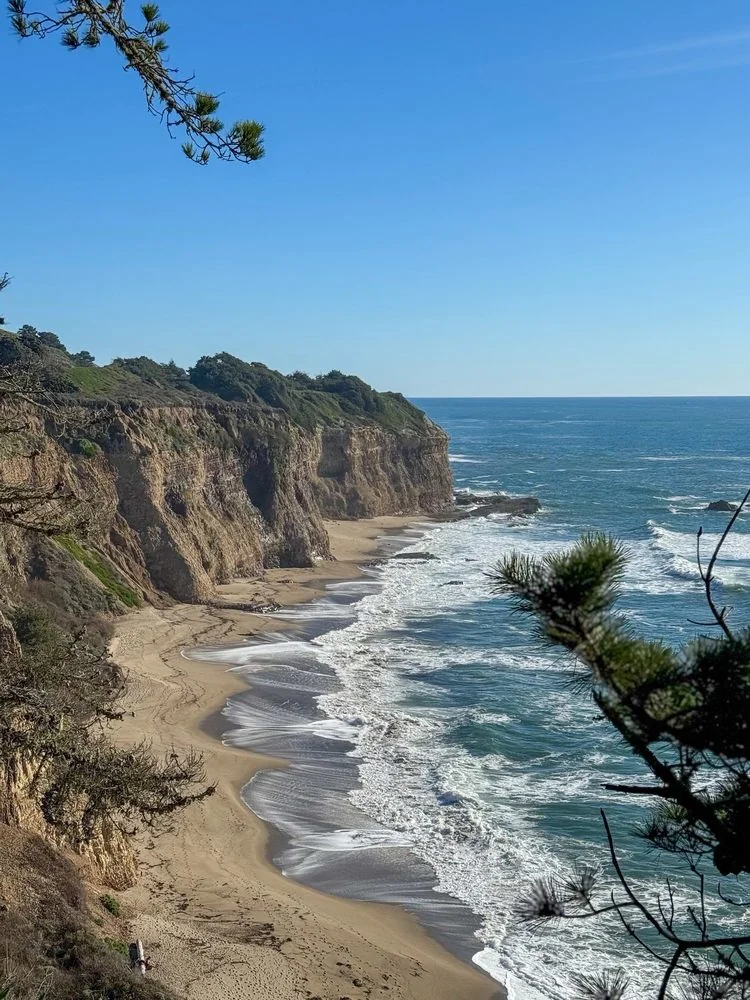
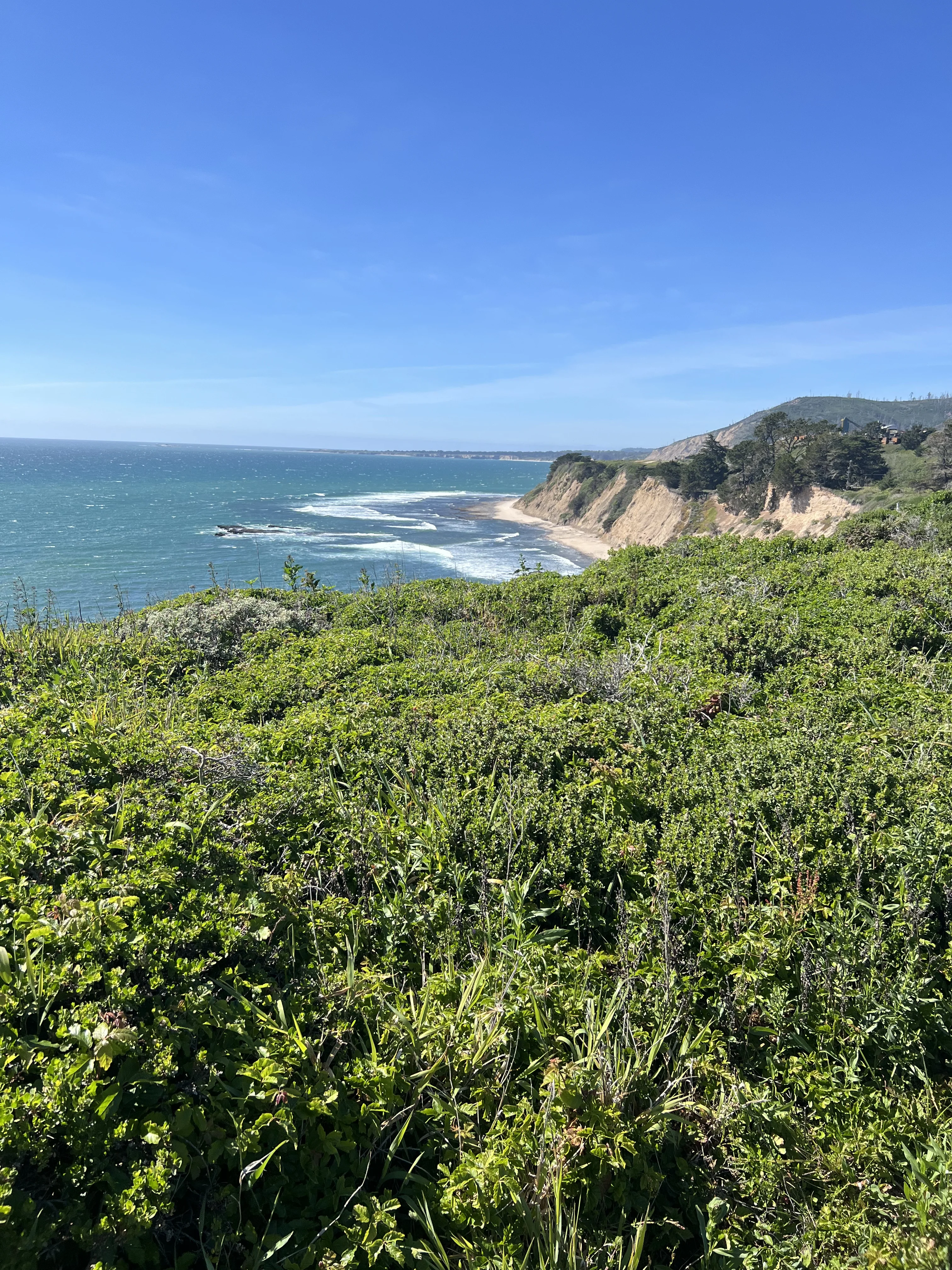
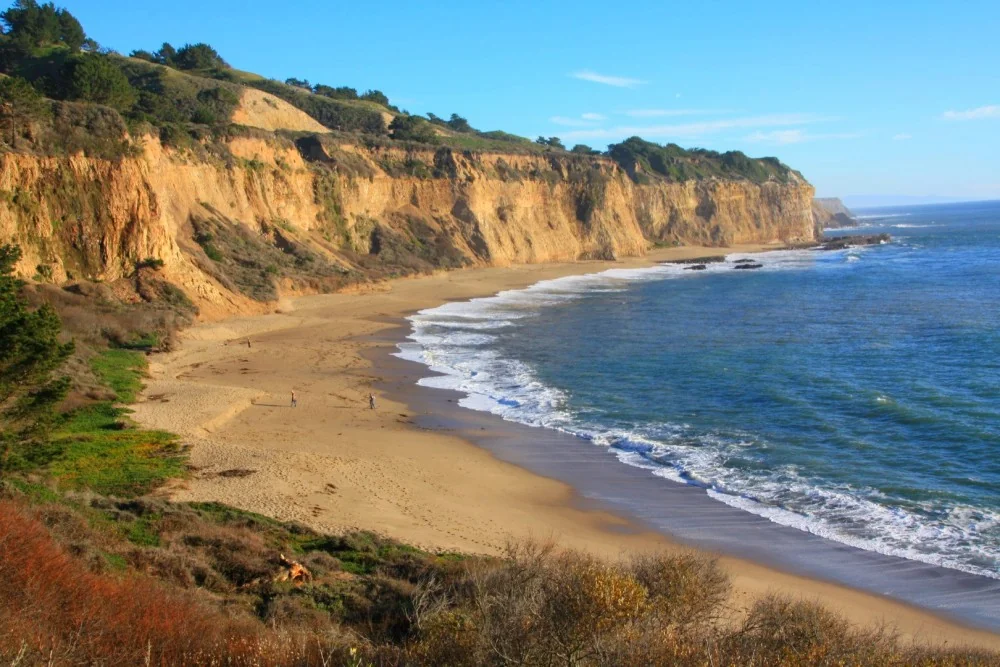
Recently, BARC Architecture was honored to be shortlisted in the highly competitive Request For Proposal (RFQ) process for the County of Santa Cruz’s Greyhound Rock Cabins and Educational Center. While our studio will not be taking this specific project into the construction phase, the rigorous master planning, cultural integration, and conceptual design we developed for our proposal serves as a powerful case study in how architecture can champion both coastal stewardship and equitable public access.
The Mandate for Equity: The Law and Its Impact
The driving force behind this project is rooted in Section 30213 of the California Coastal Act, which explicitly mandates that lower-cost visitor and recreational facilities shall be protected and provided. The coast belongs to everyone, but coastal access is often dictated by financial privilege.
Despite this mandate, economic realities have slowly privatized the coastline. With statewide hotel rates frequently exceeding $250 a night, working-class families, communities of color, and inland residents have been systematically priced out of overnight coastal access. In response, the State Coastal Conservancy (SCC) launched the Explore the Coast Overnight program to actively fund and dismantle these financial barriers. Our proposal for Greyhound Rock was designed to physically manifest this law—ensuring nightly cabin rates remained below 75% of the statewide average daily rate so the coast remains a public trust, not a gated community.
The Built Environment as an Educator
Equitable access is only half of the equation; the site must also serve as a profound teacher. The visceral impact of the recent CZU Lightning Complex fires served as a stark wake-up call regarding ecological management. We recognized that the Greyhound Rock site presented a unique opportunity to address this directly.
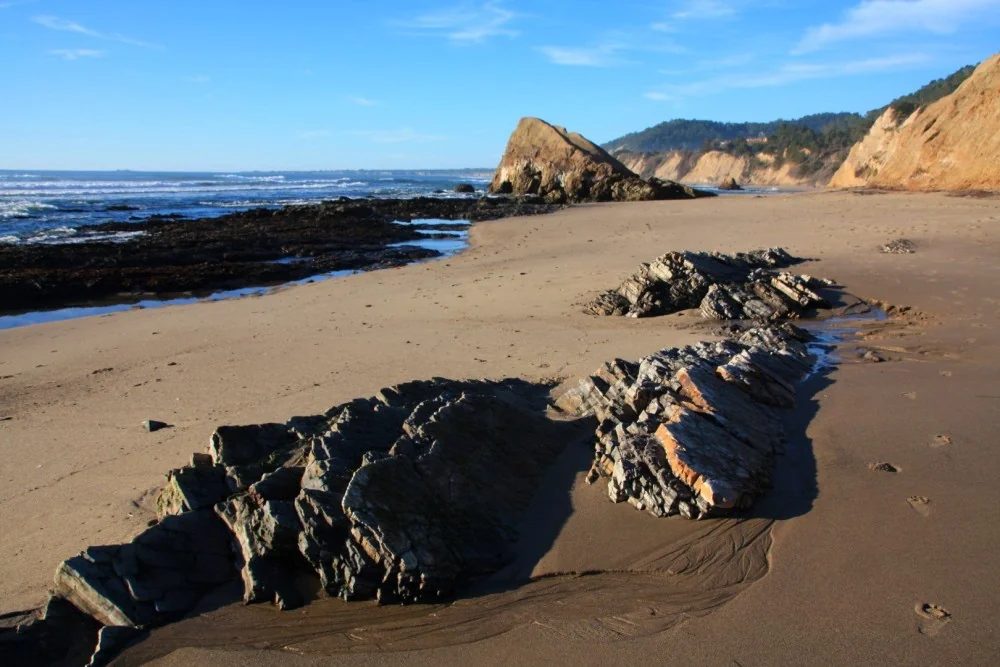
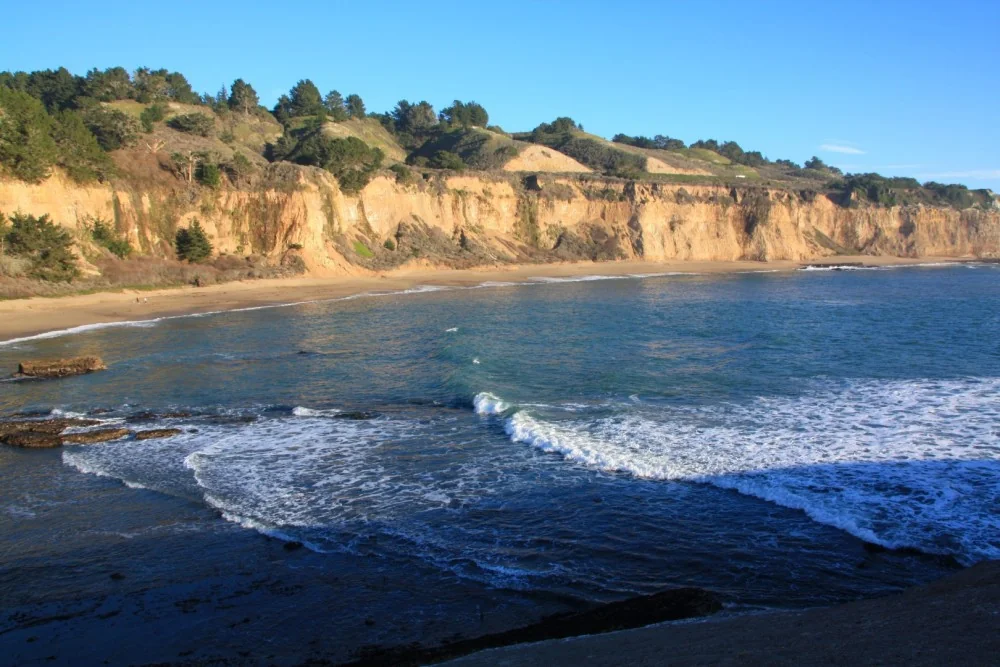
By leveraging the site’s adjacency to the Quiroste Valley Cultural Preserve, we approached the 70-acre bluff not merely as a blank canvas for accommodations, but as an active educational tool. We envisioned the architecture and site plan of the educational center as an immersive space where visitors could learn the history of the Amah Mutsun Land Trust's use of selective cultural burns, bridging the gap between indigenous resource management, local Big Creek Lumber forestry, and modern ecological stewardship.
The "Camping Cabin" Strategy
The primary challenge of building in a remote coastal State Responsibility Area (SRA) is the lack of municipal water. Traditional permanent cabins trigger mandatory residential fire sprinklers, which in turn require the installation of massive, cost-prohibitive 5,000-gallon water storage tanks and industrial fire pumps for every single structure—costs that would instantly destroy the project's affordability metrics.
To solve this, our strategy intentionally designed the overnight accommodations to strictly meet the definition of "Camping Cabins" under CCR Title 25, Section 2327. By capping the footprint at 400 square feet, maintaining a "readily relocatable" design, and excluding internal plumbing, we legally exempted the structures from the statewide residential fire sprinkler mandate. This critical regulatory pathway allowed us to rely on hardwired smoke alarms and centralized restroom facilities, saving hundreds of thousands of dollars in water infrastructure.
Rethinking "Relocatable"
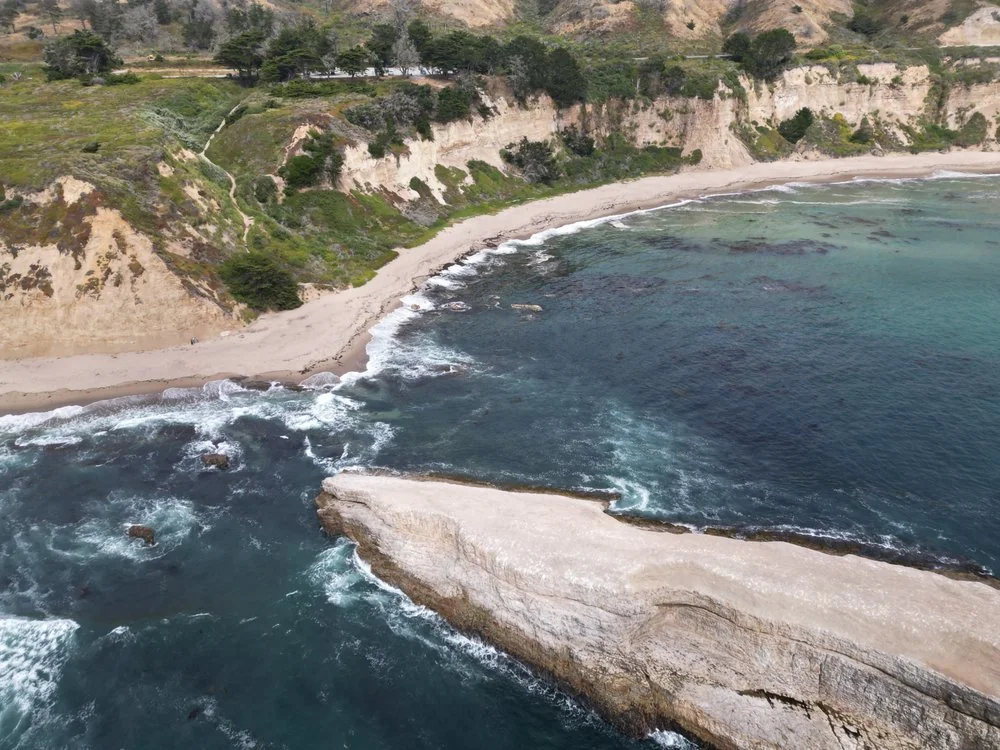
However, satisfying the "readily relocatable" requirement of Title 25 often leads developers to rely on cheap, RV-style trailers with wheels. In a harsh, salty, and windy coastal marine environment, these lightweight structures degrade rapidly, creating a massive long-term maintenance burden.
We proposed engineering high-quality modular units with integral floor assemblies. This allowed the cabins to be securely set on foundations, yet easily lifted by crane and relocated entirely intact without disassembly—satisfying the code while delivering vastly superior durability and weather resilience.
Ultimately, successful coastal development requires acknowledging that architecture serves the public good best when it navigates constraints intelligently. By prioritizing cultural history and leveraging strategic building codes, we can ensure the built environment works symbiotically with the land to keep the coast open to everyone.