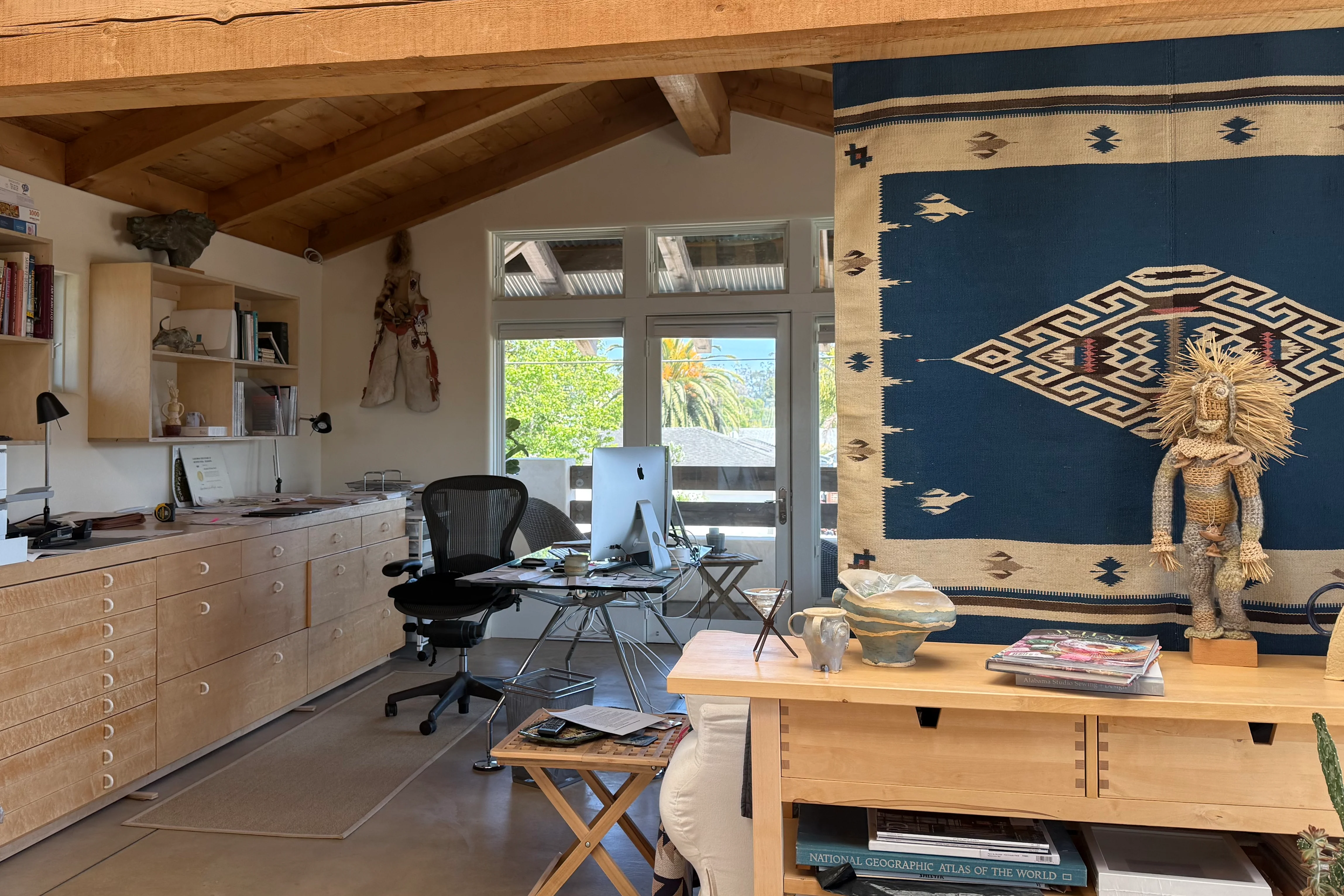
We believe great architecture rarely needs to compete for attention. It should serve as a quiet, enduring backdrop for the rituals of daily life, distilling beauty from honest form rather than ornament. We draw from a diverse architectural lineage, refining vernacular cues into a distinctly modern language built to outlast trends rather than chase them. We understand sustainability not as a layer added to design, but as a consequence of making buildings that are durable, adaptable, and worth keeping.
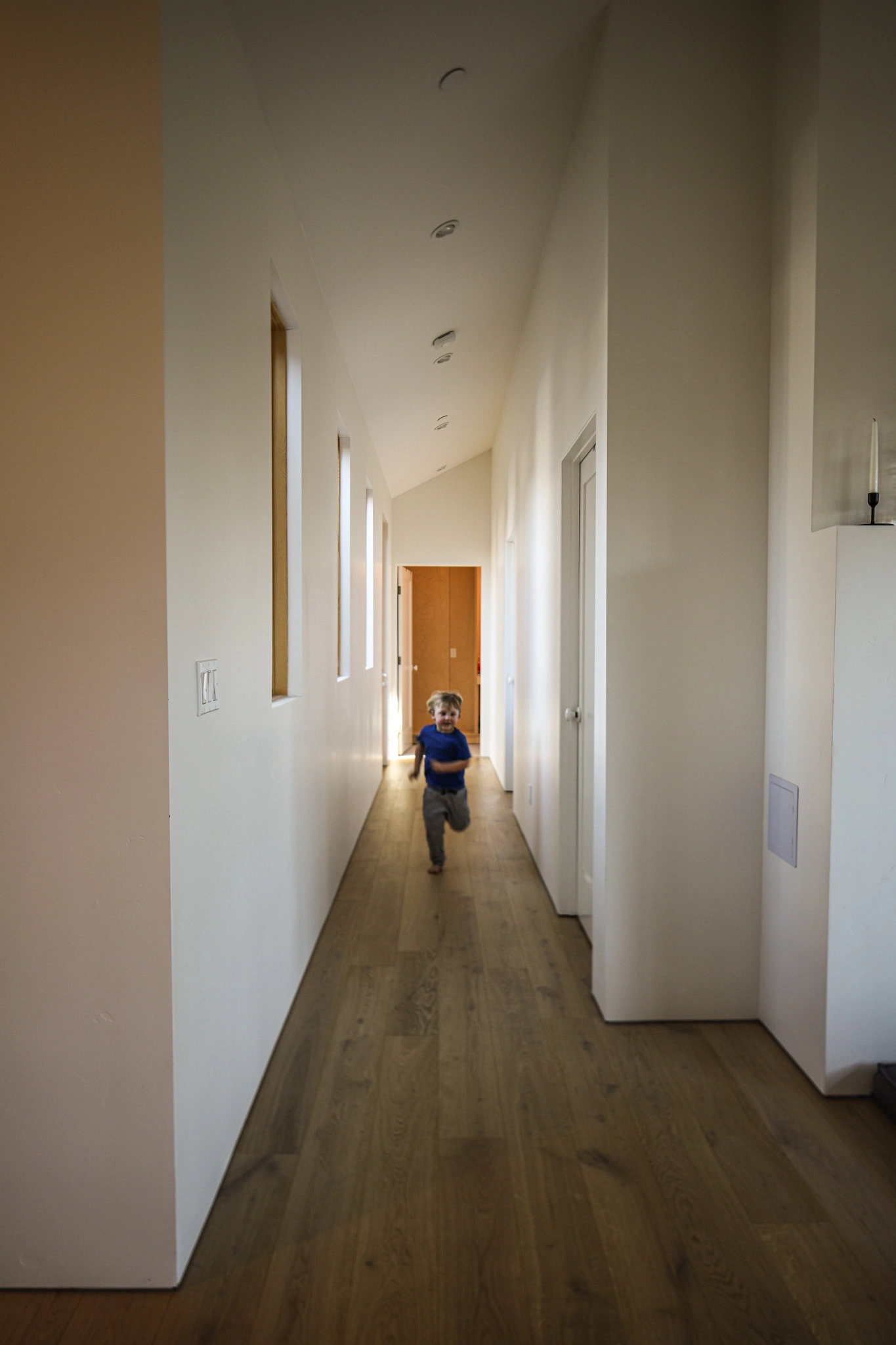
Architecture should actively promote health and well-being, rather than merely avoid harming it. That principle holds at every scale we work in, whether we’re shaping a single room or an entire campus. We deliberately connect people to the living world through space, using shifting natural light, tactile materials, and landscape as fundamental ways architecture engages the senses and deepens our relationship to place. These are not decorative choices; they shape how a place feels, functions, and supports well-being. A building should do more than shelter us—it should contribute to how well we live.
A Legacy of Context-Driven Practice
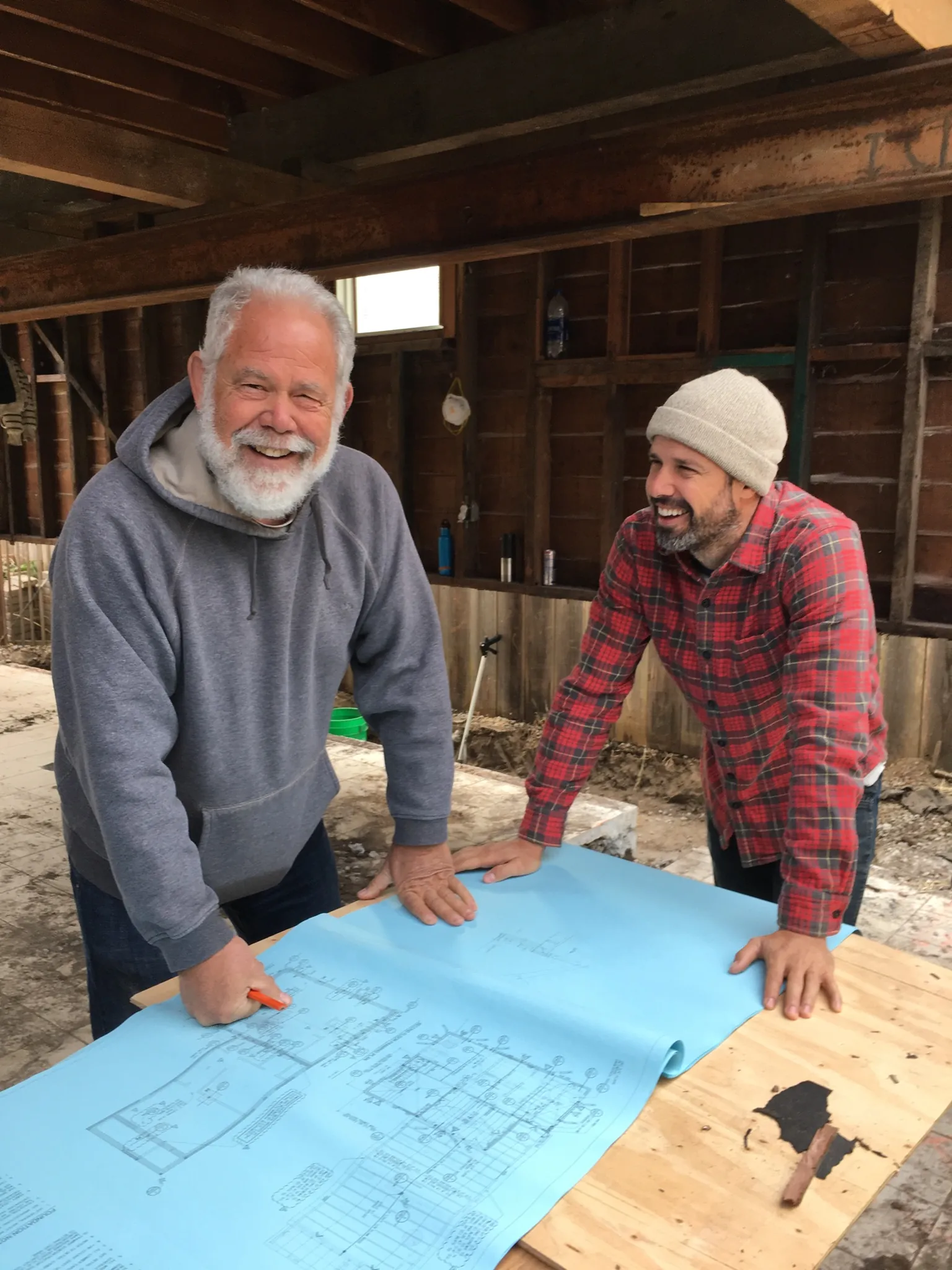
Founded in Palo Alto in 1985 by A.W. "Sandy" Barker, our studio was built on a foundation of rigorous institutional and healthcare architecture—sectors where precision, complex code navigation, and occupant health are non-negotiable. Over the past four decades, the firm has established deep roots and an extensive, diverse portfolio across the San Francisco Bay Area and the California coast.
Today, the studio is led by Daniel Barker, who directs the firm's day-to-day practice and its vision for the next chapter. Sandy remains closely involved, lending four decades of specialized expertise in institutional and healthcare code navigation to the studio's most complex work. That continuity—modern technical execution built on a deep, field-tested foundation—is what allows Daniel to bring advanced 3D visualization, Building Information Modeling (BIM), and sustainable design practices to bear on projects with genuine institutional rigor behind them.
Architect + Builder
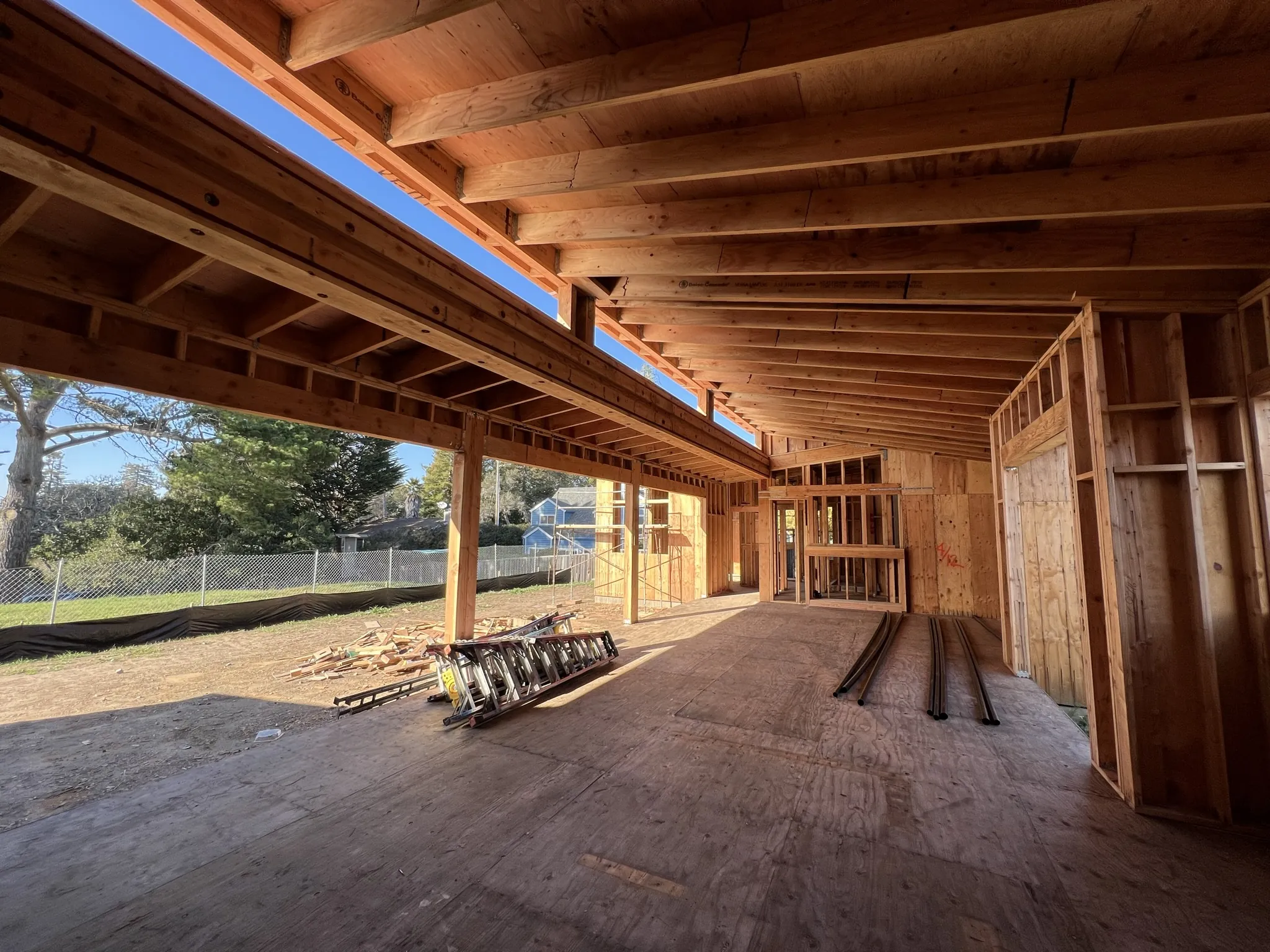
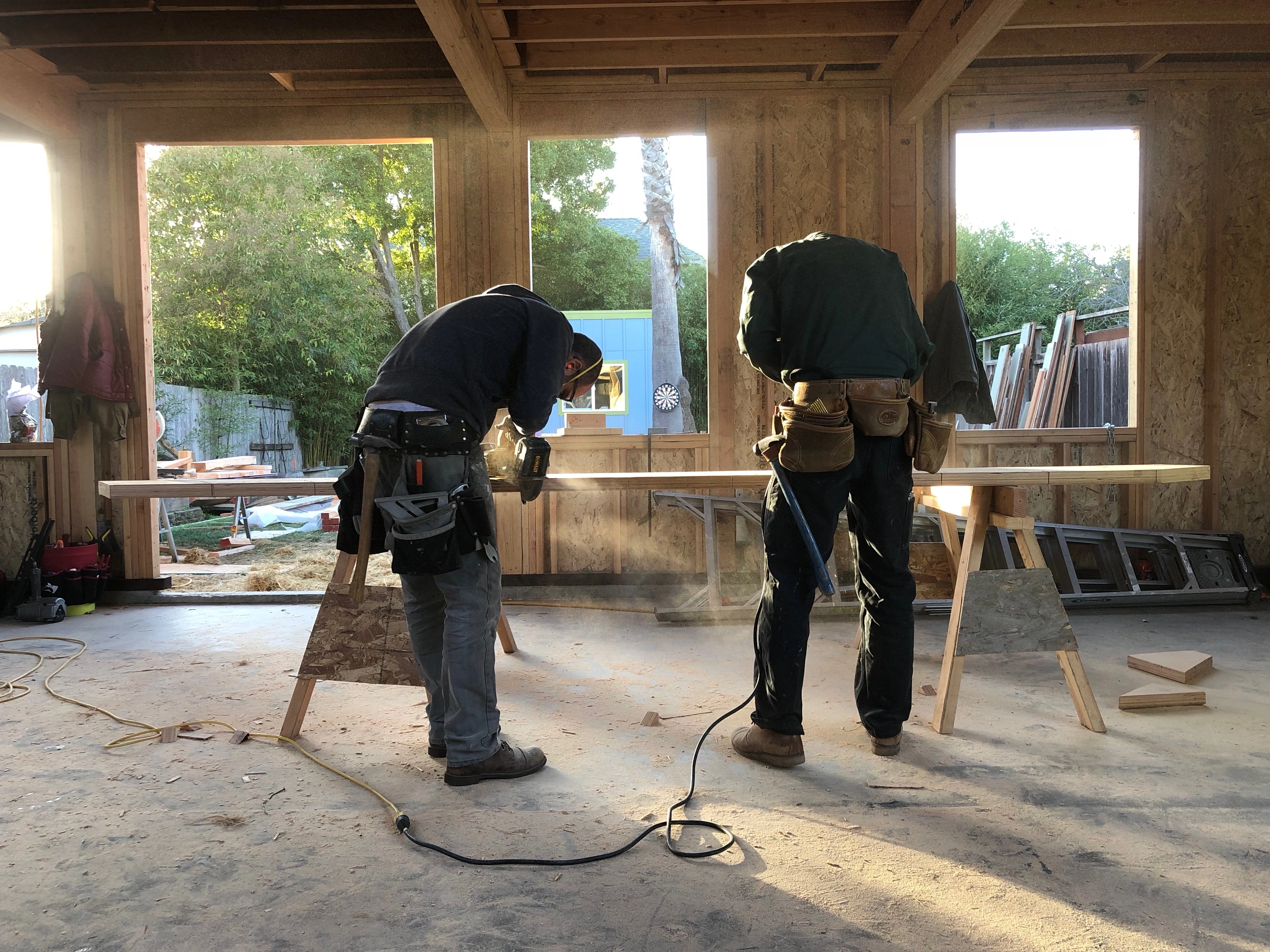
In our pursuit of design excellence, we have always believed that a deep understanding of craft and building technique forms the critical foundation for informed design. Because our leadership holds both Architectural and General Building Contractor (GC) licenses, we bridge the gap between ambitious design and field-ready precision. We do not just draw buildings; we engineer them for the reality of construction.
A.W. "Sandy" Barker, AIA
Principal EmeritusWith over forty years of architectural practice, Sandy established Barker Associates in 1985 after holding key roles at prominent Bay Area firms. Earning his Bachelor of Architecture from Cal Poly, along with studies at the Royal Academy of Arts and Architecture in Denmark, his extensive portfolio spans diverse typologies.
Sandy possesses specialized expertise in healthcare and senior living environments, having actively contributed to state building code committees and spoken at numerous national design conferences.
Credentials Licensed Architect (CA), AIA, USGBC
Daniel Barker, AIA, LEED AP
Managing PrincipalAs Managing Principal, Daniel guides the studio with a primary focus on design, sustainability, and material construction. Holding licenses as both a California Architect and a General Building Contractor, he bridges the critical gap between architectural intent and physical execution.
Informed by early hands-on experience in framing and construction, Daniel brings a deeply practical perspective to the firm's work, directing building information modeling (BIM) and overseeing projects seamlessly from schematic design through post-occupancy.
Credentials Licensed Architect (CA), General Building Contractor (CA), LEED AP, AIA
Conversation
Every project begins with a deep conversation about client goals, programmatic needs, and constraints, establishing a clear collaborative framework. This is where we ask the right questions.
Study
We conduct a rigorous reading of the site. Strict parameters—from Coastal Commission setbacks to complex HCAI requirements—are not roadblocks; they are generative tools used to craft technical architecture that feels effortless.
Formulate
Once aspirations and site realities are understood, form begins to take shape. We approach design as problem-solving—identifying spatial, programmatic, and environmental challenges and developing elegant solutions drawn directly from the project's unique conditions to achieve its goals.
Iterate
Architecture is an evolving dialogue. We test and evolve our conceptual directions through spatial diagrams, material studies, and advanced 3D visualizations, making the design tangible to clients and ensuring each iteration remains aligned with the project's goals.
Resolve
By integrating a builder's intuition early, we anticipate field friction, engineer to the reality of cost, and resolve structural complexities long before ground is broken. This early integration ensures our detailed plan sets translate seamlessly into the built environment.
-
01
Pre-Design & Feasibility — Establishing the collaborative framework, rigorous site analysis, and navigating complex zoning constraints.
-
02
Schematic Design — Translating the site data and programmatic needs into conceptual form through hand sketches, spatial diagrams, and physical models.
-
03
Design Development — Transitioning to rigorous 3D modeling and Building Information Modeling (BIM) to refine materials, coordinate engineering, and solidify the technical architecture.
-
04
Construction Documents — Delivering heavily detailed, bid-ready, and builder-friendly blueprints that ensure flawless field execution.
-
05
Bidding & Negotiation — Vetting trusted contractors and meticulously aligning the architectural vision with real-world construction costs.
-
06
Construction Administration — Providing active, on-site oversight to resolve field complexities and protect the design intent through to move-in day.
We are always looking for new opportunities to collaborate. Whether you are envisioning a custom coastal home, a vital community institution, or a complex commercial development, we invite you to reach out to our studio to begin the conversation.
Contact Us