Multigenerational Living: Back to Our Roots
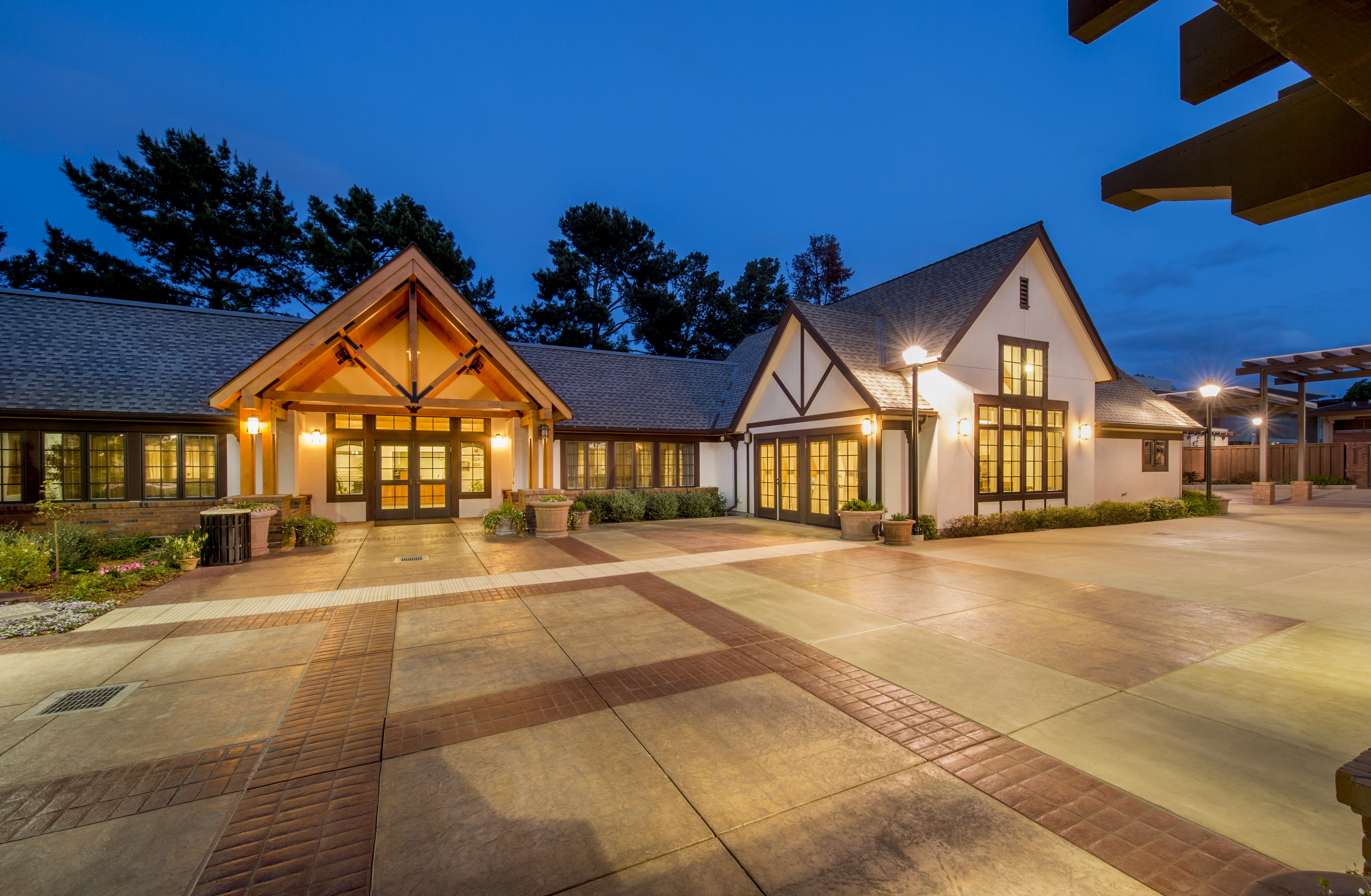
For the vast majority of human history, multigenerational living was not a trend; it was the fundamental blueprint for survival. Agrarian societies and early urban centers relied entirely on communal family structures. Grandparents provided vital childcare and wisdom, while adult children managed the physical labor of the estate. The architecture of the time naturally reflected this—sprawling farmhouses, courtyard villas, and interconnected urban dwellings evolved specifically to house three or more generations under a single roof.
It was only during the post-WWII economic boom that this ancient framework was severed. The rise of the automobile and the invention of the modern American suburb prioritized hyper-individualism and nuclear family isolation. Strict single-family zoning laws essentially outlawed the construction of multi-family dwellings in most neighborhoods, physically scattering the extended family across different cities and states.
The Breaking Point
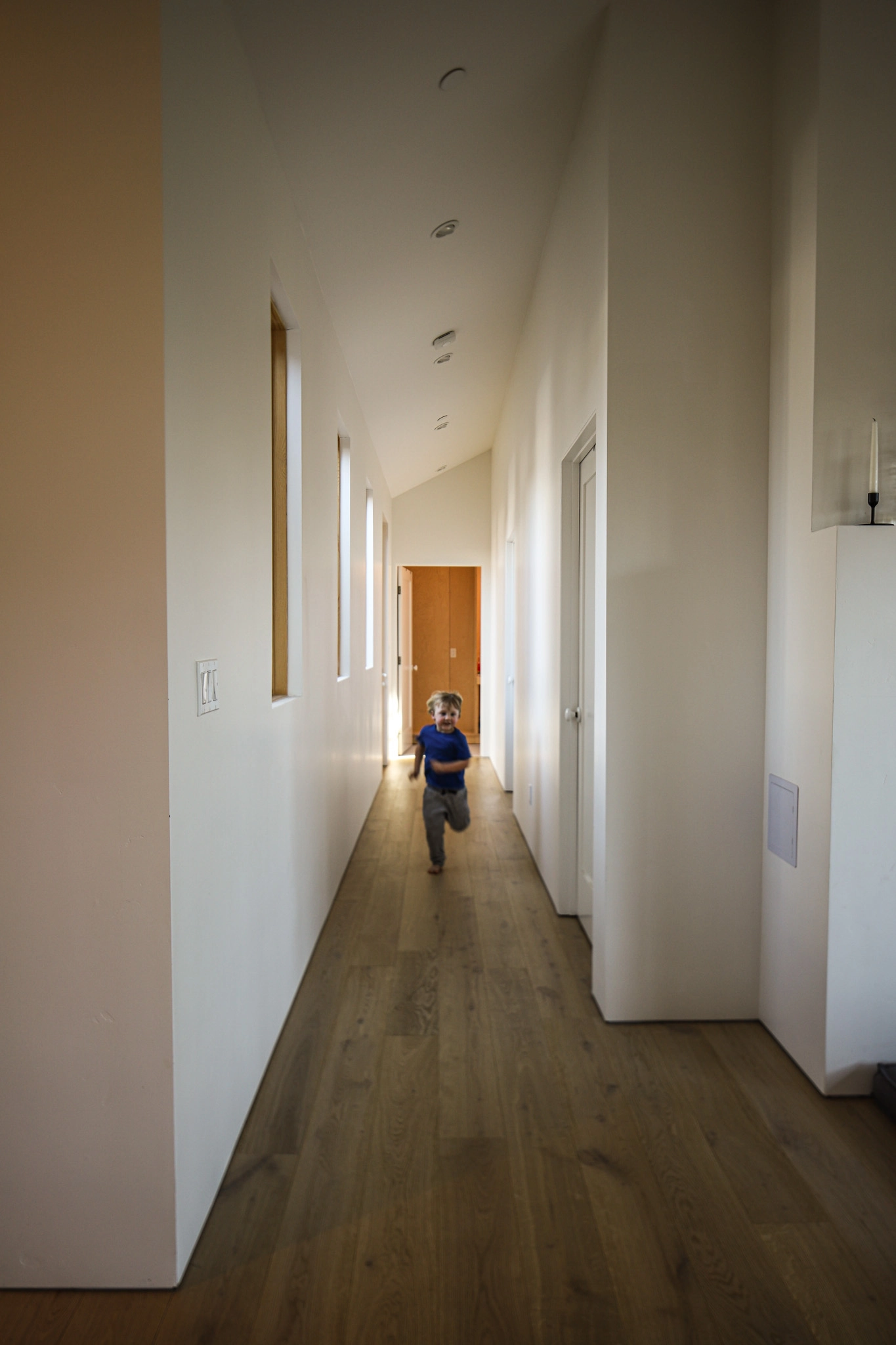
The consequences of fracturing the multigenerational home are now converging into two simultaneous national crises: younger generations are entirely priced out of the housing market, and the aging Baby Boomer generation is facing the catastrophic costs of institutional eldercare.
As we explored in our research on the Missing Middle, institutional skilled nursing and memory care facilities routinely cost upwards of $10,000 a month. This financial burden is rapidly draining family wealth. Families are increasingly realizing they must recombine to survive this economic reality, but doing so within the confines of traditional suburban architecture often leads to friction.
Institutional Proof: The Intergenerational Synergy
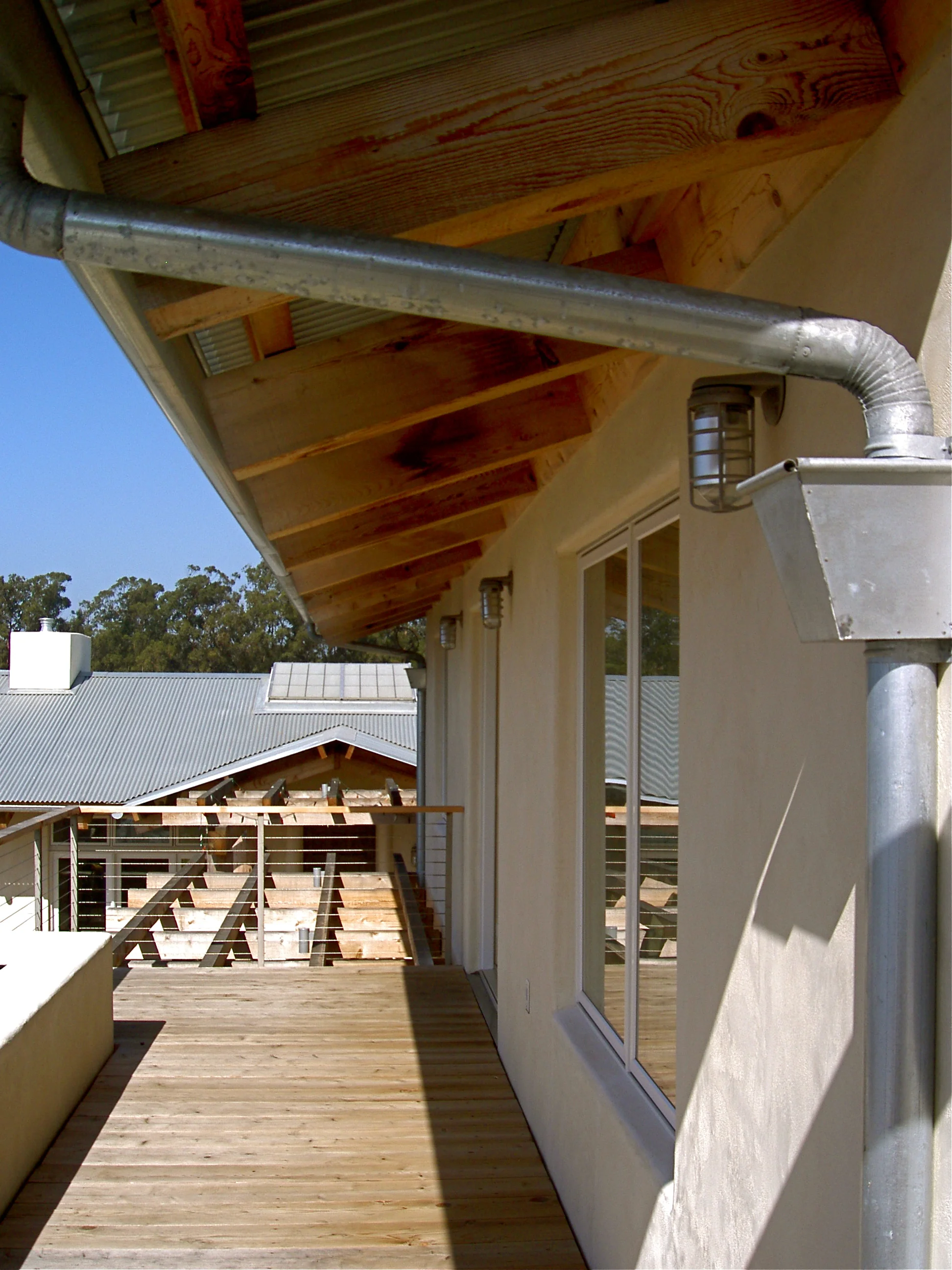
We know that isolating generations is detrimental because we have seen the alternative succeed at the highest levels of institutional design. In our extensive work designing senior care and Continuing Care Retirement Communities (CCRCs), one of the most profoundly successful programmatic strategies is the deliberate co-location of eldercare with educational facilities—ranging from early childhood centers to elementary and high schools.
A prime example from our portfolio is the Villa Siena campus in Mountain View. Founded by the Daughters of Charity of St. Vincent de Paul in 1965, the senior community shares an immediate property line with Saint Francis High School, established a decade earlier by the Brothers of Holy Cross. While founded by distinct Catholic orders, their shared foundational mission of community service naturally bridged the two campuses. Over the decades, this proximity has organically fostered formal and informal programs that actively connect students with neighboring seniors.
The mutually beneficial relationship established in these shared environments is remarkable, backed by decades of sociological and gerontological data. Studies consistently demonstrate that seniors who engage regularly with youth experience lower blood pressure, delayed cognitive decline, and a documented decrease in mortality rates compared to their isolated peers. The interaction actively triggers neural pathways associated with purpose and emotional regulation. Conversely, early childhood development research shows that children who interact with elders exhibit accelerated language acquisition, higher reading scores, and profoundly enhanced social-emotional intelligence. The youth gain patient mentorship, a living connection to history, and the grounding wisdom that only elders can provide.
This dynamic also extends a profound lifeline to the adults caught in the middle—often referred to as the "sandwich generation." In an isolated nuclear family, working adults are simultaneously stretched to their breaking point paying for exorbitant childcare while worrying about the declining health of aging parents. By recombining into a single, multigenerational compound, the paradigm shifts entirely. Grandparents provide localized, deeply invested childcare, allowing adult children to maintain career mobility and emotional bandwidth. In turn, the adult children can easily provide the incremental, daily senior care that keeps their parents healthy and out of institutions. It transforms a cycle of mutual stress into a closed-loop system of mutual support.
Balancing Connection and Autonomy
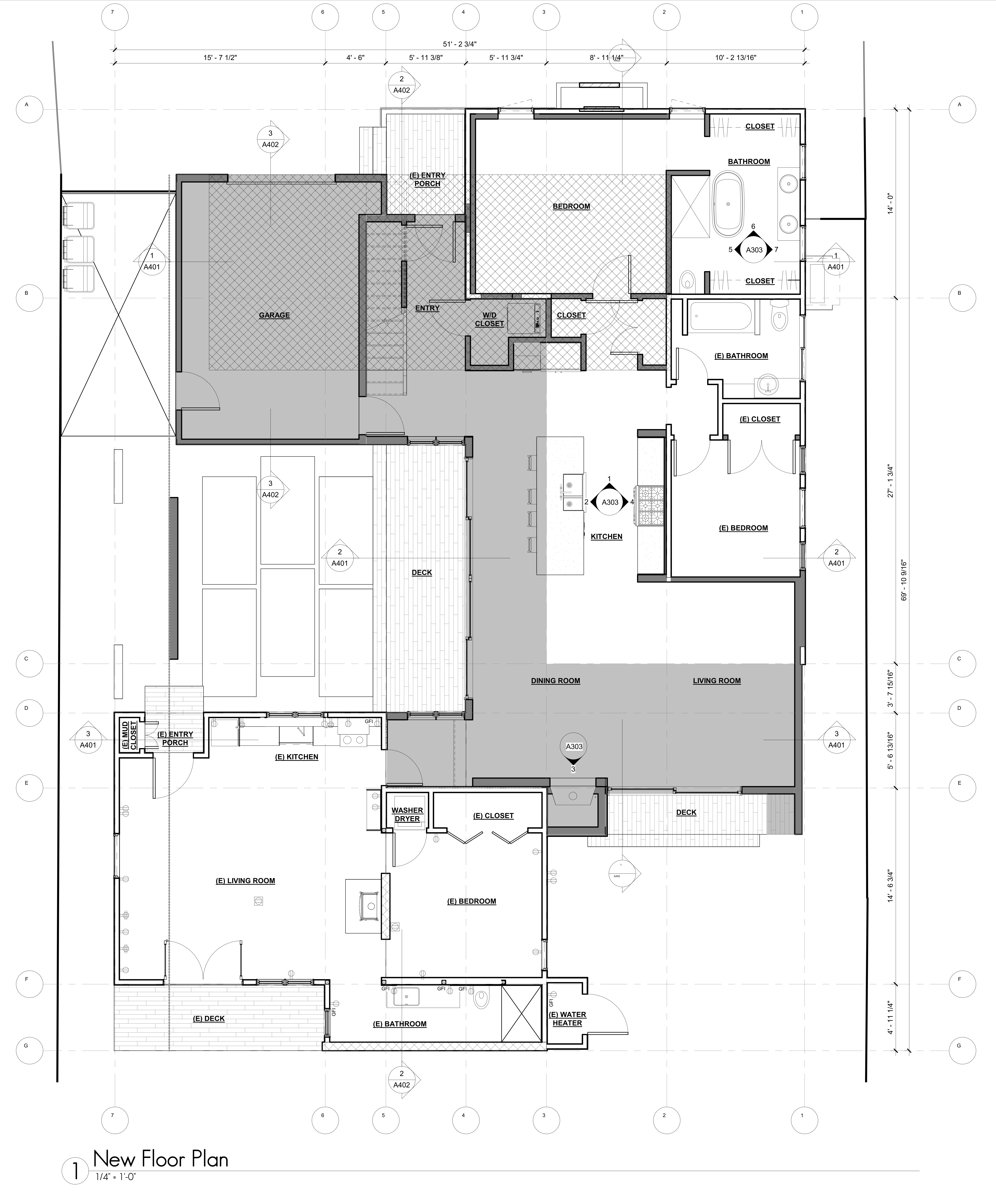
Returning to this historical way of living presents a distinct architectural challenge. You cannot simply place three generations of adults into a standard, mid-century three-bedroom ranch home and expect harmony. If this intergenerational synergy is to succeed at the intimate, residential scale, the primary architectural challenge becomes managing the delicate balance between connection and autonomy.
In our residential practice, we solve this through intentional spatial choreography. By designing distinct, acoustically isolated wings or utilizing detached Accessory Dwelling Units (ADUs), we ensure that each generation maintains complete privacy. These private sanctuaries are then anchored by shared communal spaces—like a central courtyard or a primary kitchen—allowing families to easily pool resources without feeling perpetually on top of one another.
A Return to Our Roots: Housing as Healthcare
Ultimately, the solution requires a return to our roots, facilitated by a new financial reality: pooling intergenerational equity. By combining the purchasing power of adult children with the accumulated equity of their aging parents, families can bypass the traditional real estate market to build or adapt a legacy compound.
This allows families to deploy a preventative "housing as healthcare" model. Aging parents can live in a universally designed, fully accessible ground-floor unit or Accessory Dwelling Unit (ADU) on the exact same property as their children and grandchildren. Because this model keeps seniors healthier, socially engaged, and out of expensive institutional facilities for years, the upfront architectural investment pays massive financial and emotional dividends.